
- Southend_Eye
- Apr 29, 2018
- 7 min read

It’s by no means sensationalist to say that Southend is currently in the grip of multiple issues that are inextricably linked to governance; a surge in homelessness, a crippling restructure of our local hospitals, increased crime rates, more families than ever before living in temporary accommodation and now the second lowest rate of pay in the entirety of the UK. Whilst some are arguably the direct result of policy by central government, the measured provision of local services to tackle these problems is a matter of local governance, from social care to the amount you pay for your council tax.
Local elections are often overlooked and comparatively engage far fewer people than general elections. However, they arguably have a greater impact on decision-making in local communities, with elected councillors voting on some of the most impactful measures for residents.
It is for this reason that the forthcoming elections are of a significant importance for the town and must not be understated at a time where the interests of the marginalised or least represented are desperately needed. Despite the irrefutable hardships endured by the towns various population, the borough is also experiencing a surge in house prices, suggesting a widening rift in the socio-economic polarisation of South Essex.
In recent times, Southend’s political backdrop has been steeped in controversy. With the forthcoming local elections on the 3rd May, Southend Eye has chosen to focus on councillor controversy, as it’s inaugural post. More deservedly, we aim to bring transparency to several examples of the blatant abuse of power or misconduct in Southend and South Essex by those of elected positions. Whilst this focus could be seen as purposefully divisive, it is hoped to exemplify the degree of irresponsibility by those that bear an influence on the future of our town and its respective communities:
1.
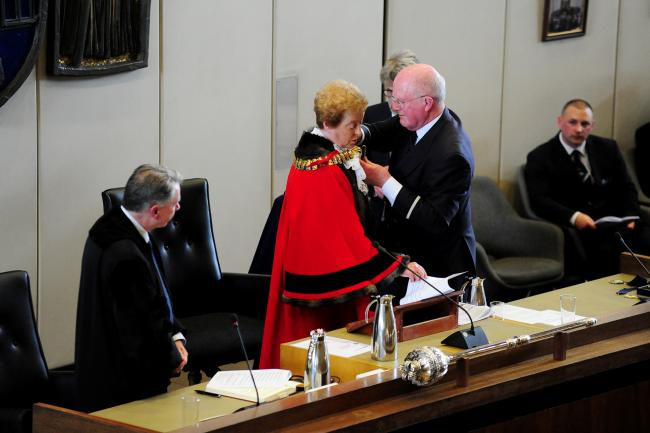
In November 2017, Southend-on-Sea Borough Council voted to overturn a rule banning councillors from voting on an issue relating to the private rental sector. In an unprecedented move, seven Tory councillors and one independent were granted the ability to vote on an issue they could directly profit from, breaching the ethical standard to abstain from voting on a matter with declared conflicting interest. The ruling sealed Southend’s accolade as the only UK local authority to ever grant a dispensation of this kind. The issue put to vote included the introduction of a compulsory license scheme for landlords, imposing an agreement with the council to maintain a certain standard of living as well as regular inspections and a rent cap. The eight councillors, including Southend Mayor Faye Evans, own 24 properties between them. Faye Evans of Southend Conservatives is currently running for re-election in West Leigh.
2.
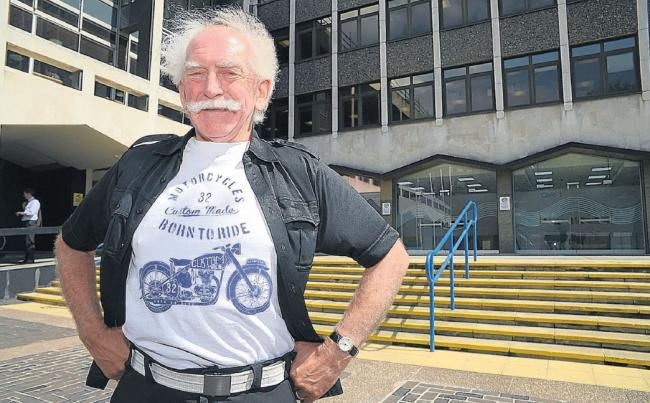
In August 2017, Eastwood Park Conservator Councillor Chris Walker was revealed to make a series of racist remarks about a community of travellers in the borough. Walker responded to Milton ward councillor Julien Ware-Lane’s concerns over the treatment of the traveller community by the local council. Walker’s response, published on Ware-Lane’s blog reads as follows: “They are treated like pariahs because they are pariahs. They have been driven from Ireland whence they emanate because of their thieving and filthy ways. They contribute nothing to society in the way of taxes, etc, and create filth wherever they go. Why should we make allowance for them? It would be better for all if they were to learn the foolishness of their ways and go back to Ireland. They are their own worst enemies.” Chris Walker is councillor for Eastwood Park Ward and served as Southend Mayor from 2014-15.

3.
In an earlier episode of unambiguous sexism and racism, Chris Walker forwarded an email in 2009 to his fellow councillors, which suggested Islamic men would have to commit suicide if they saw a female, other than their wife, naked. The email went on to say that British women should go outside without clothes on Sunday afternoons to weed out terrorists, containing numerous photos of naked women. The revelation was met with outrage, yet Walker’s response suggests a significant level of disregard for the severity of his comments: “I sent it in good faith because it just seemed a jolly good joke to me.” The controversy did little to falter Walker, who was announced as Southend Mayor five years later. In a strange circle of events, the BBC sports presenter Sue Barker attended Walker’s inauguration at Southend’s civic centre in 2014.
4.
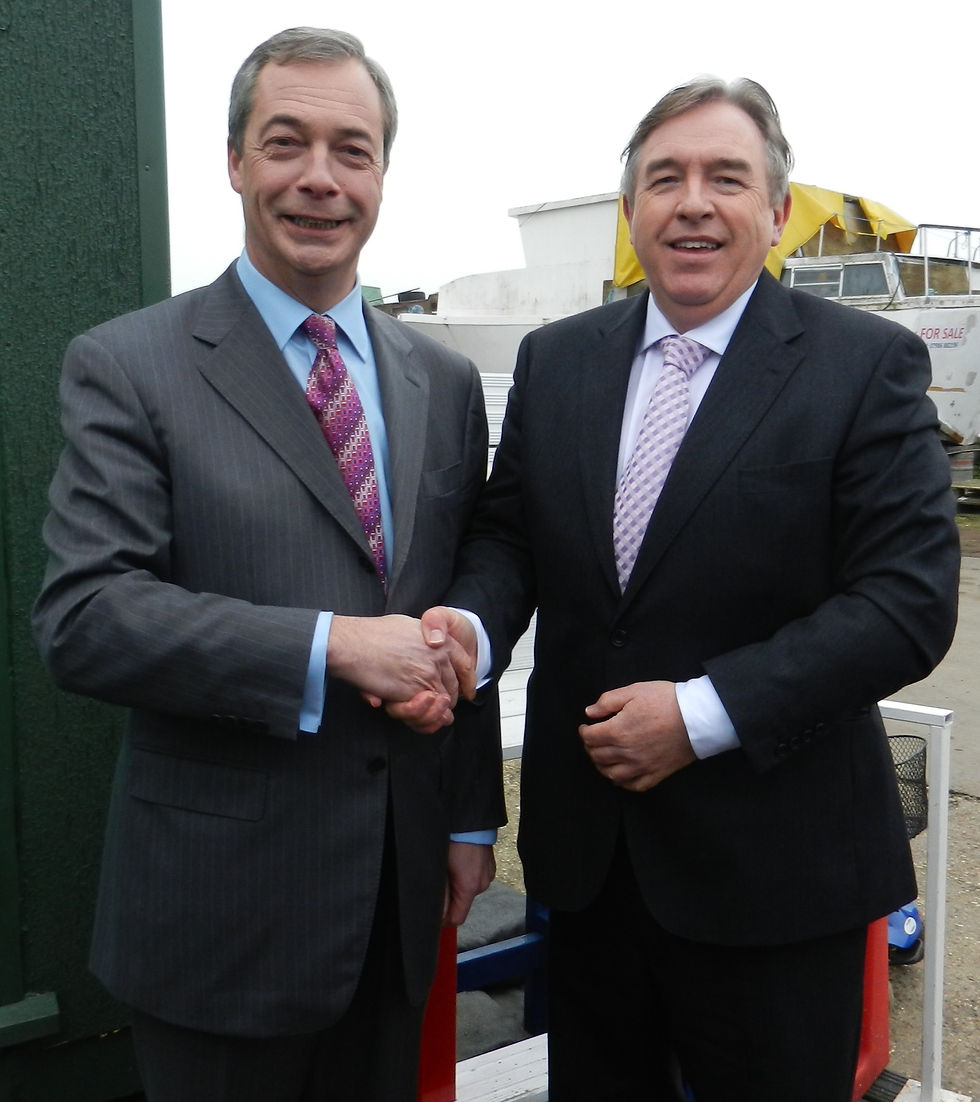
The current Conservative candidate for Blenheim Park (previously UKIP), Floyd Waterworth, states in his current election leaflet that one of his future priorities is to “Resist Labour’s plans for a gipsy site”, as pointed out by Julien Ware-Lane. The misspelt racial slur marks a trend of Southend Conservatives and independents that continue to respond to traveller communities with discrimination and contempt. The severity of this text should not be understated with its dehumanising connotations. The seemingly overlooked comment by Southend Conservatives would suggest a marked difference in the response to accusations of racism from prospective candidates. Comparatively, Labour's previous candidate for Blenheim Park was suspended following the use of offensive material on a series of podcasts. Floyd Waterworth is currently running for re-election in Blenheim Park.
5.
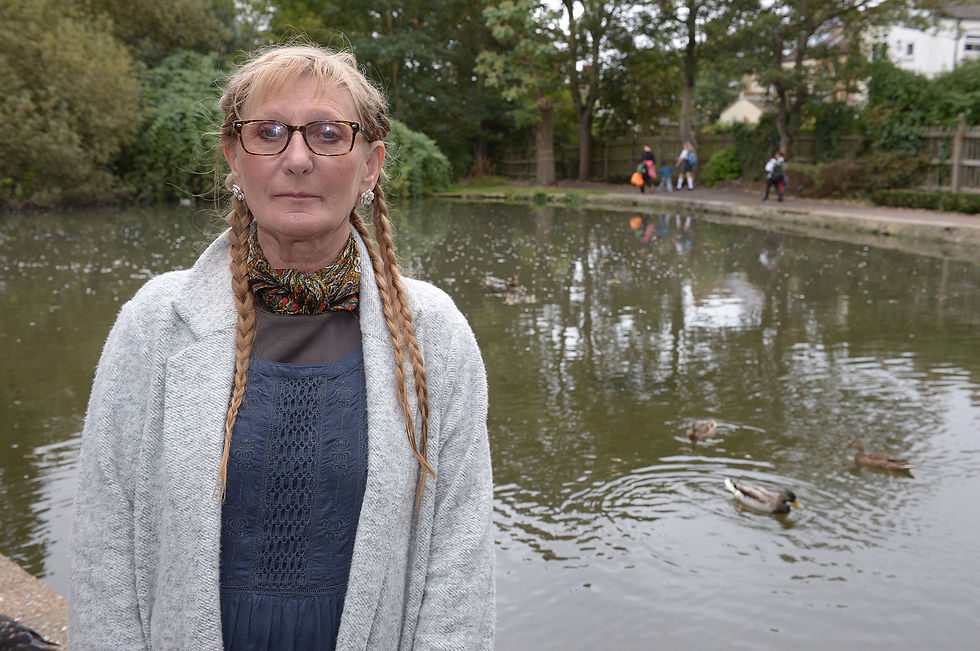
In a shock move, Kursaal ward councillor Judith McMahon defected to the Southend Conservatives in September 2017. The decision came after being elected as a labour councillor, pointing to the fact that her move was on the contrary to her constituents that elected her in the first place. Previously in staunch opposition to the Conservatives as far back as her first election in 2001, McMahon sited concerns over the national leadership of the Labour party as to the reason for her defect. Critically, her decision enabled the Conservative group on Southend Council to gain a ruling majority of eight overall. The former labour councillor served as Southend Mayor from 2016-17, during which time she announced local artist John Bulley as her advisor for arts and culture.
6.
In more recent times, a UKIP candidate for Nethermayne in Basildon distributed a series of election campaign leaflets with false information. Simon Breedon distributed a series of leaflets that claimed the rearranging of an infrastructure, growth and development committee meeting at Basildon’s Sporting Village cost the taxpayer “500K and change”. In fact, the public meeting that deliberates over social infrastructure including housing, cost £20,000 according to a Basildon Council spokesman. Breedon was later said to have apologised for the typo, insisting, “If I have to print more, it will be corrected”. Simon Breedon is currently running for election in Nethermayne.

7.
Last month, Southend Councillor Tony Cox called for the resignation of Essex Police’s chief constable after he was found not guilty of assaulting his neighbour in West Shoebury. Cox was accused of assaulting neighbour Jamie Waterfield and causing him actual bodily harm in May of last year. Following his acquittal, Cox also called for the immediate resignation of Alison Saunders, the director of public prosecutions and the head of the entire Crown Prosecution Service for England and Wales. The disproportionate response for a matter the police were obliged to investigate as a matter of duty to the victim suggests Cox’s attempt to use his position to absolve him of the judicial process. Essex police went on to state that CPS approved a charge of ABH following the presentation of evidence for the case.
8.
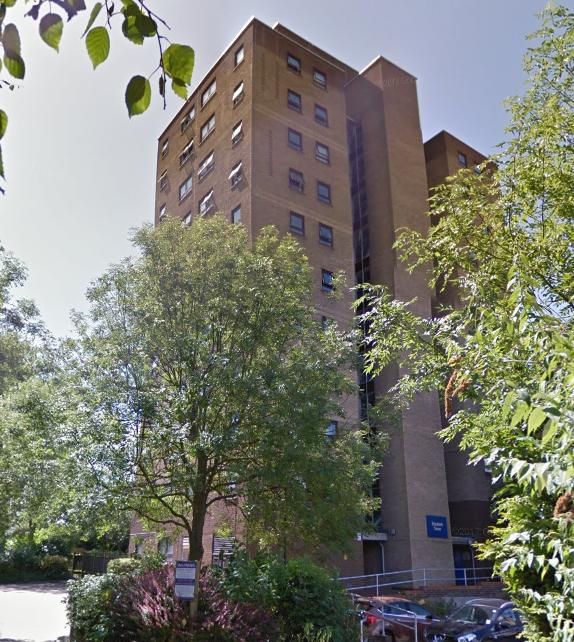
Elizabeth tower in Southend is just one example of a community dealing with the threat of redevelopment in the town, with little reassurance offered for those living in social housing by the local council. In September 2017, a meeting between residents of Elizabeth tower and the housing association responsible was hosted by Mark Flewitt, Southend Councillor for housing, planning and sustainability. Whilst the meeting was set up to discuss concerns of safety and antisocial behaviour, Flewitt went on to comment to local press that "I was the Jeremy Kyle, so I kept the situation calm when it got heated on a number of occasions". Southend Eye posits that Flewitt's careless comments to describe himself as the tabloid talk show host implies class discrimination. Whether intended or not, the comment reads in such a way that creates a spectacle of a serious matter concerning the quality of living standards for those in social housing.
9.
In February 2018, councillor James Moyies joined the secretary of state for Health, Jeremy Hunt and MP James Duddridge to launch 'Love Southend NHS'. The campaign was seen to be an attempt to show appreciation for NHS and social care staff in Southend. A local grass-root campaign group, 'Save Southend NHS' suggested that the campaign was a stunt initiated as a timely response to the mass criticism and protests in response to proposals to administer a budget cut of £400 million over a four year period to Southend, Basildon and Broomfield hospitals. Cllr Moyies is vehemently outspoken against the material published online through the 'Save Southend NHS' social media channels, leading to the speculation that the campaign was a clear attempt to undermine the reasonable concerns of local residents, many of whom are NHS employees. By coincidence, the logo of each respective campaign is notably similar.

10.
In 2000, the Southend Conservatives clawed back their majority within the council in what would become one of their longest periods of control until 2012. The election campaign of the time was based around a populist stance on asylum-seekers, suggesting the town had become a "dumping ground" for asylum-seekers, many of whom were refugees from Kosovo. The accusation, made in the official election campaign leaflet distributed to residents, was later submitted to the commission for Racial Equality by Southend Labour. During a visit to Southend around the time of the 2000 elections, then-Conservative leader William Hague stated that the town should not have to take anymore asylum-seekers, which was estimated at around 2,000. The 11-seat majority gained by the party was credited to their hard-line stance on asylum-seekers and immigration. The success of the councillors then is questionably rooted in a method of polarisation, racism and a decipherable contempt for the international community of the town who, in no uncertain terms, were used as pawns in the power struggle to preside over council of Southend. To add further cause to this sentiment, a conservative councillor was suspended over links to the Far Right group, the English Defence League in 2011.

To find out more about local elections and the candidates standing in Southend, please see here.